
If you have been considering online therapy in Rhode Island, you may be wondering whether telehealth can hold the kind of depth that trauma work requires. It is a fair question. Trauma is intimate, and the idea of doing that work through a screen can feel uncertain at first. But for many high-functioning women, telehealth is not a compromise. It is actually the safer starting place.
This article is educational and is not a substitute for therapy. It is a grounded look at why telehealth works for trauma, and what to consider if you are weighing it as an option.
Why Telehealth Works for Trauma Therapy
Trauma lives in the nervous system. It shows up in the bracing, the shutdown, the overthinking, the patterns your body learned long before your mind had words for what was happening. Healing happens when your nervous system begins to feel safe enough to let those patterns soften. For many people, that sense of safety is easier to find at home than in an unfamiliar office.
When you are in your own space, you do not have to navigate a waiting room, park in an unfamiliar lot, or brace yourself for running into someone you know. You can settle into a chair you already trust, wrap yourself in a blanket, and begin from a place that is already yours. For trauma work, that matters. Your body tells the truth before your mind catches up, and a body that is already settled can go further into the work.
But Can You Really Do EMDR and Somatic Work Online?
Yes, and this is one of the most common concerns I hear. EMDR, Deep Brain Reorienting (DBR), and somatic-informed therapy all adapt well to telehealth when the therapist is trained to work this way. You can learn more about how these approaches work on the approach page.
EMDR uses bilateral stimulation, like eye movements, tapping, or audio tones, to help the brain reprocess stuck material. All of these can be done through a screen. DBR works with the body's orienting response, which is actually easier to access when you are in a space where you already feel grounded. IFS parts work is a gentle, internal process that does not depend on physical proximity at all.
If you are also looking for a trauma therapist in Massachusetts, the same telehealth format works across both states. You can read more about what to look for in that search here.
Finding a Trauma Therapist in Massachusetts: What to Look For
What This Looks Like in Our Work Together
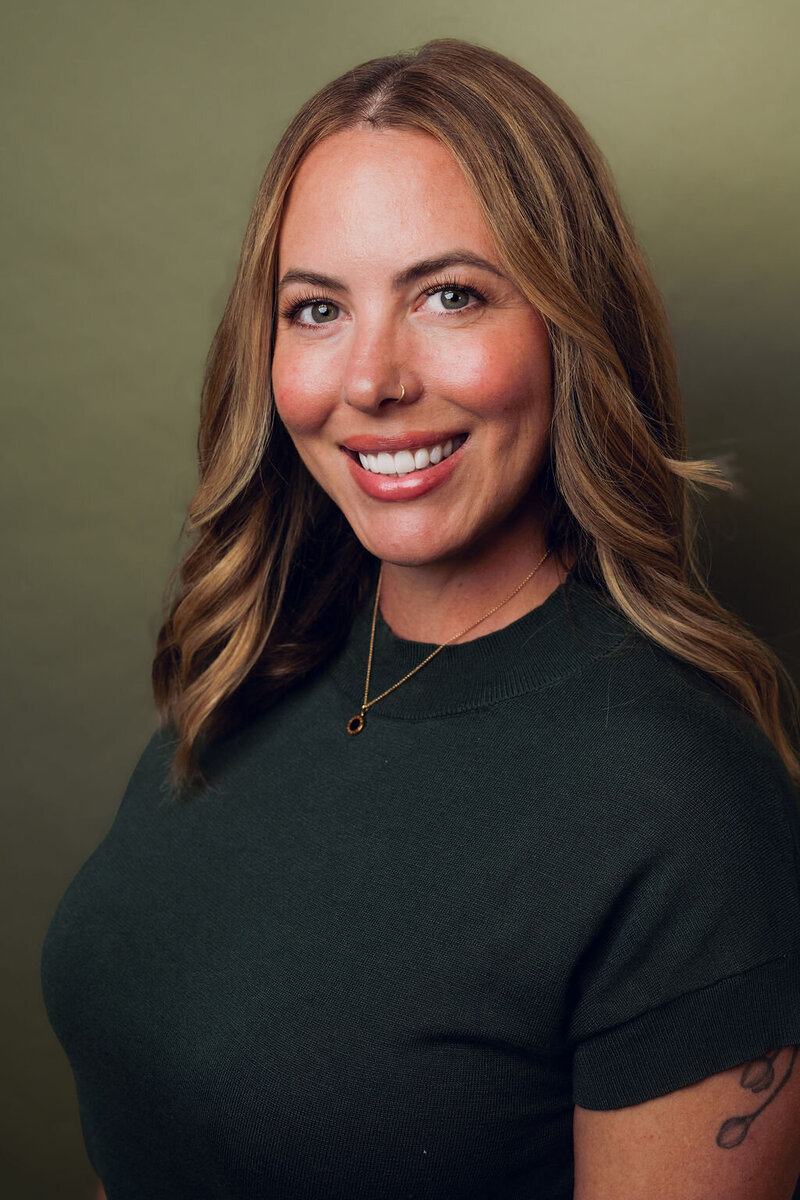
At Rootwell Therapy, every session is telehealth. I am licensed in both Massachusetts and Rhode Island, so you can work with me from anywhere in either state. I start by building safety, helping your nervous system trust that it does not have to stay on alert.
From there, I use EMDR, DBR, IFS, and somatic approaches to work with what is stuck, gently, at a pace that feels steady, and always with your consent. You are in your own space, which means you can pause, breathe, or step away if you need to. That kind of control is part of what makes the work possible.
If you are curious whether telehealth trauma therapy could work for you, a free consultation is a low-pressure way to find out. You can reach out from the privacy of your own home.
Book a Free ConsultationQuestions You Might Still Have
Is telehealth therapy secure and private?
Yes. I use a HIPAA-compliant platform designed for therapy. Your sessions are confidential, and because you are in your own space, you control the environment. There are no waiting rooms and no chance of running into someone you know.
Do I need any special equipment for online therapy?
All you need is a private space, a device with a camera and microphone (a phone, tablet, or laptop), and a reliable internet connection. If you are doing EMDR, I can use on-screen eye movements or handheld tapping. No special equipment required.
What if I feel overwhelmed during a telehealth session?
That is a real concern, and it is one reason I build safety first. Because you are in your own space, you have more control over your environment. You can pause, ground yourself, or step away. I always work at a pace that feels steady, and you are never pushed beyond what feels manageable.